Product description
Product Overview
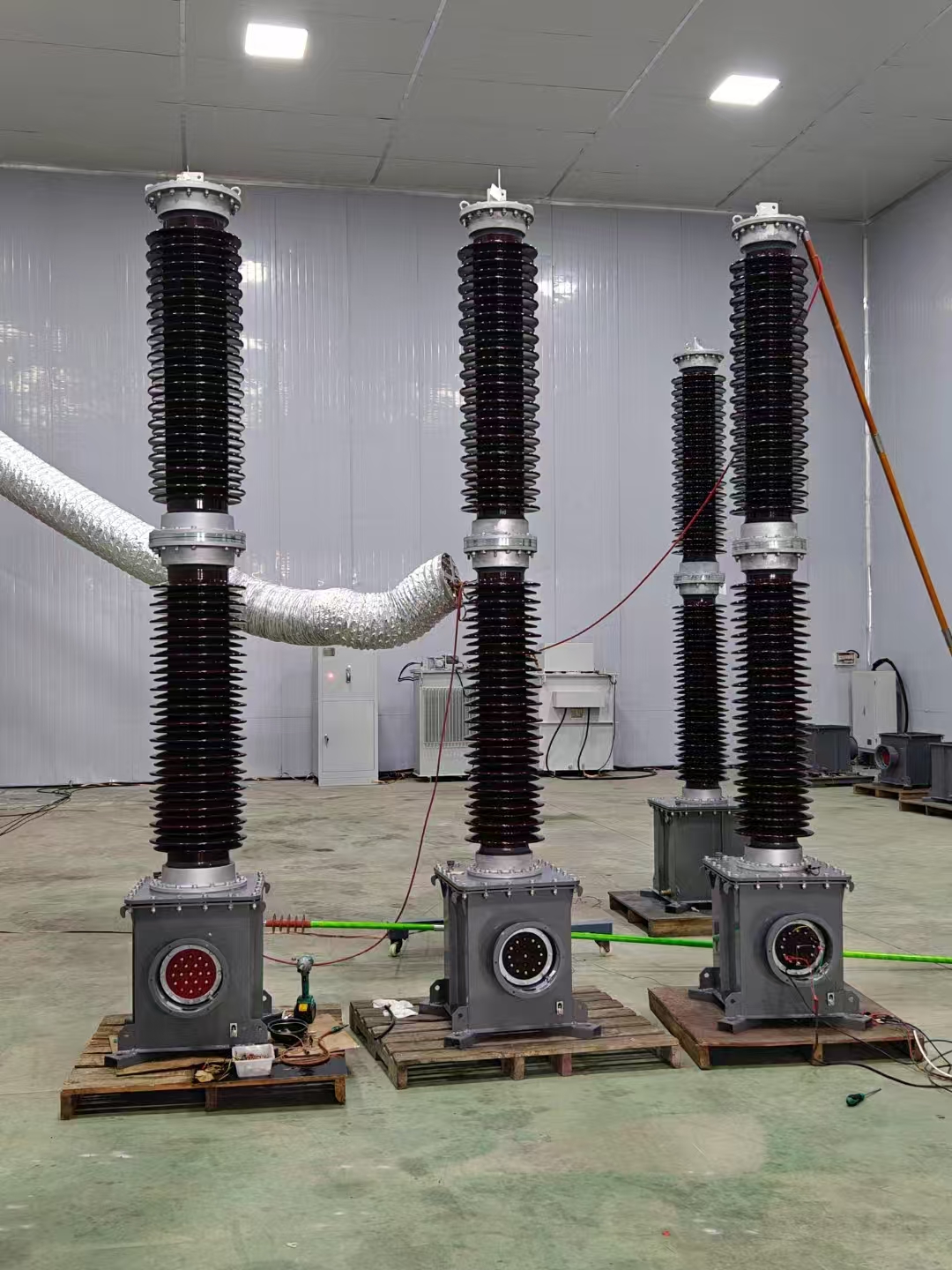
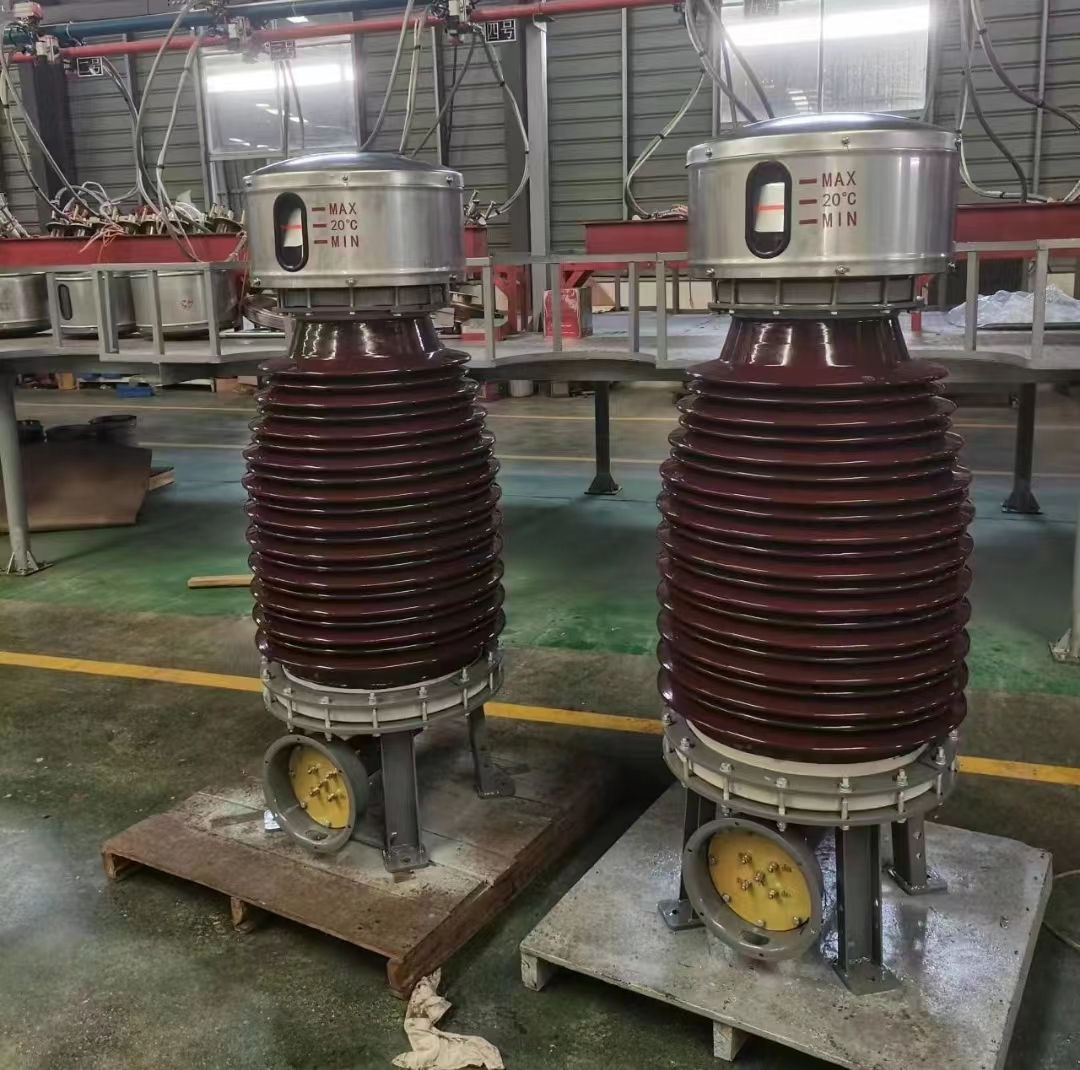
The 550kV Current Transformer is an ultra-high-voltage instrument transformer used in backbone transmission grids and UHV substations. It provides accurate current measurement and protection functions by converting primary current into standardized secondary outputs.
This product is designed for critical power transmission infrastructure where ultra-high voltage levels, long-distance power transfer, and extreme electrical stress conditions are present. It ensures safe and stable operation of the power grid under severe environmental and electrical conditions.
Key Features of 550kV Current Transformer
Ultra-High Voltage Precision Performance
Ensures stable and accurate current measurement in 550kV ultra-high-voltage transmission systems.
Advanced Insulation System
Built with reinforced insulation design to withstand extreme lightning impulse and switching surges in UHV applications.
Grid Backbone Reliability
Designed for national grid backbone systems requiring extremely high operational reliability and safety margins.
Advantages of 550kV Current Transformer Compared with Other Voltage Levels
Designed for Ultra-High Voltage Grids
Compared with 252kV CT, the 550kV model is used in UHV backbone transmission networks with significantly higher insulation requirements.
Maximum System Stability and Safety
Provides the highest level of electrical withstand capability and operational reliability for critical national grid infrastructure.
FAQ – 550kV Current Transformer
1. What is the typical lead time for a 550kV Current Transformer?
Standard delivery time is typically 8–12 weeks. For complex or fully customized designs, delivery may extend to 12–16 weeks depending on engineering and testing requirements.
2. Where is the 550kV Current Transformer used?
It is mainly used in ultra-high-voltage transmission systems and national grid backbone substations, where maximum insulation and reliability are required.
3. What is the main difference between 550kV and 252kV CT?
The 550kV CT is designed for UHV (ultra-high-voltage) systems, requiring significantly higher insulation levels, larger physical dimensions, and stricter performance standards compared with 252kV EHV CT.